Ancient Native American Astronomical Practices
Ken Zoll, author of Heart of the Sky: Ancient Skywatchers of Central Arizona, provides an overview of the result of twelve years of study of various ancient Native American sites in Central Arizona to identify and document evidence of sunwatching practices.
In the ancient American Southwest, the ability to survive was tied to environmental conditions. The skill to predict the climatic change of the seasons was an essential ability to “control” those conditions. Seasonal calendars became the foundation of early cultures: hunting and gathering, planting and harvesting, worshiping and celebrating were activities dictated by specific times of the year.
Archaeoastronomy is the study of prehistoric civilizations’ use of the sky for purposes of calendar, agriculture, ritual, ceremony, mythology and celestial event prediction. It draws on the disciplines of astronomy, archaeology and ethnology to identify and interpret these ancient inscriptions.
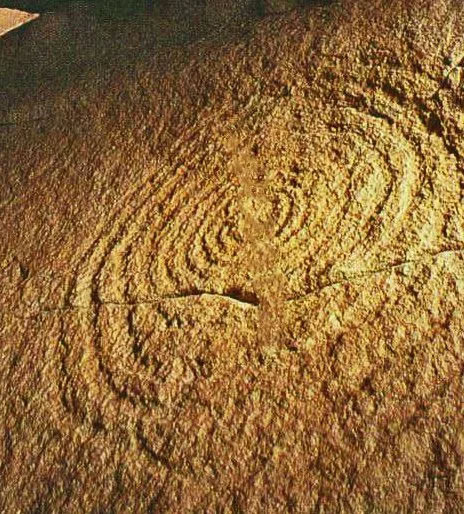
Ancient cultures in the American Southwest used three techniques of naked-eye observations. These included Sighting – observing the position of the sun along the horizon; Imaging – observing the light/shadow effects that the sun casts on certain rock art images; and Architectural Alignment – the intentional orientation of ancient structures to match specific celestial events such as solstices, equinoxes, or star positions. The use of these techniques reveals careful and sophisticated observations of the sky.
This presentation will discuss how these techniques were used to create accurate calendars for agriculture and ceremony. Examples documented over the years will be presented to show the sophistication of these ancient skywatchers.