Meteorites Found at Archaeological Sites
Ken will describe the occurrences of meteorites found at archaeological sites in North America since the early 19th century. From the Hopewell culture in the eastern United States to the Indians in the American Southwest and northern Mexico, meteorites have been found on these ancient sites. Meteorites were variously viewed as objects of reverence or taboo to many Native American communities. Much like meteorite hunters of today, some ancient Native American cultures actively engaged in meteorite collecting.
Ancient cultures primarily used meteorites as a source of rare iron to craft tools, weapons, and ceremonial objects, often considering them sacred due to their celestial origin. Meteorites would be incorporated into rituals and burial practices. For example, the Navajo Meteorite, weighing over 3,300 pounds, was regarded as a revered object to which offerings were made. The famous Willamette Meteorite, now on display in the American Museum of Natural History in New York, is venerated as a sacred religious object, sent by the Sky People to the Clackamas people of Oregon. Another 3,000-pound meteorite was found at Pacquimé (aka Casas Grandes, a prehistoric archaeological site in the northern Mexico) in the nineteenth century. The meteorite was discovered in an adobe sepulcher wrapped in a cotton burial shroud with human remains similarly shrouded.
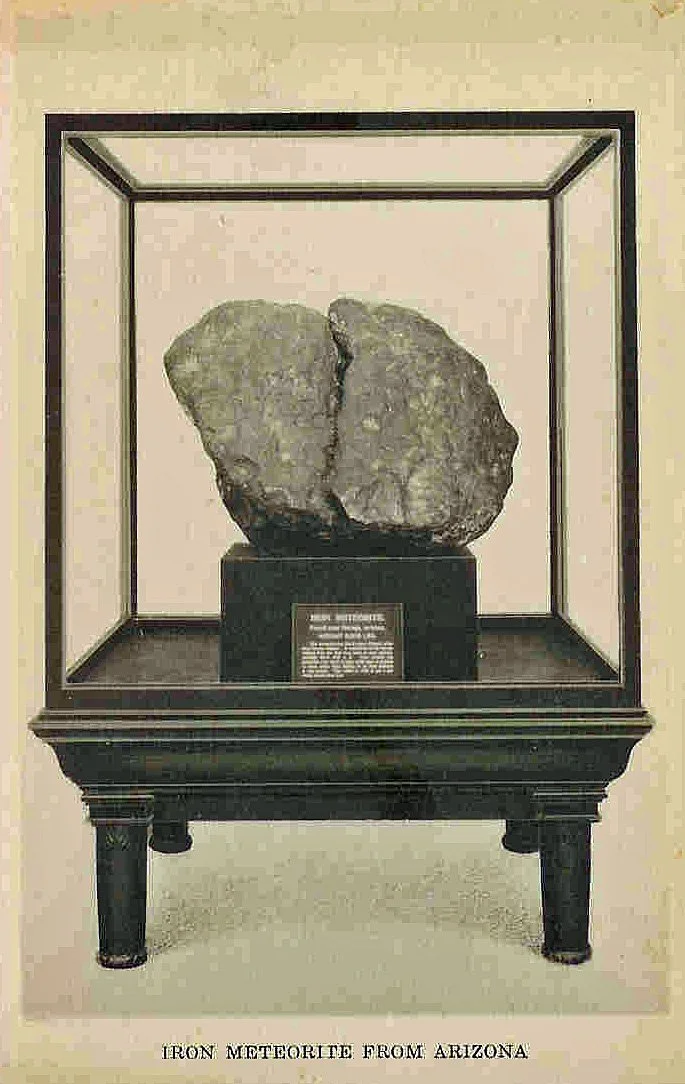
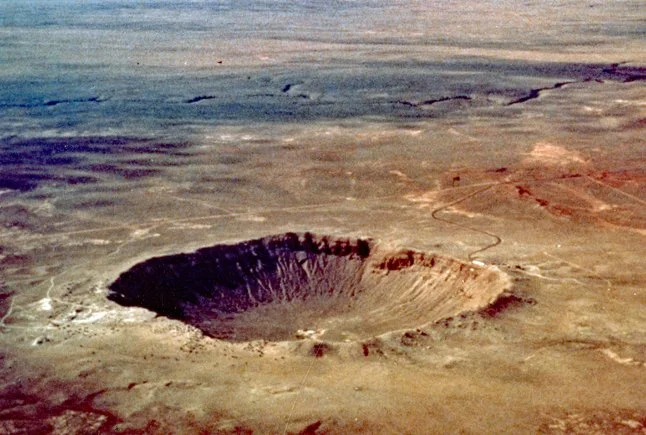
Several meteorite fragments from Meteor Crater near Flagstaff have been discovered at ancient dwellings in Central Arizona. Ken will describe these meteorite locations, how they were associated with Meteor Crater, and how one of the meteorites, using radiocarbon dating, established its location within a ruin and confirmed the date of the ruin’s destruction.