Marking the Winter Solstice from Neolithic Times
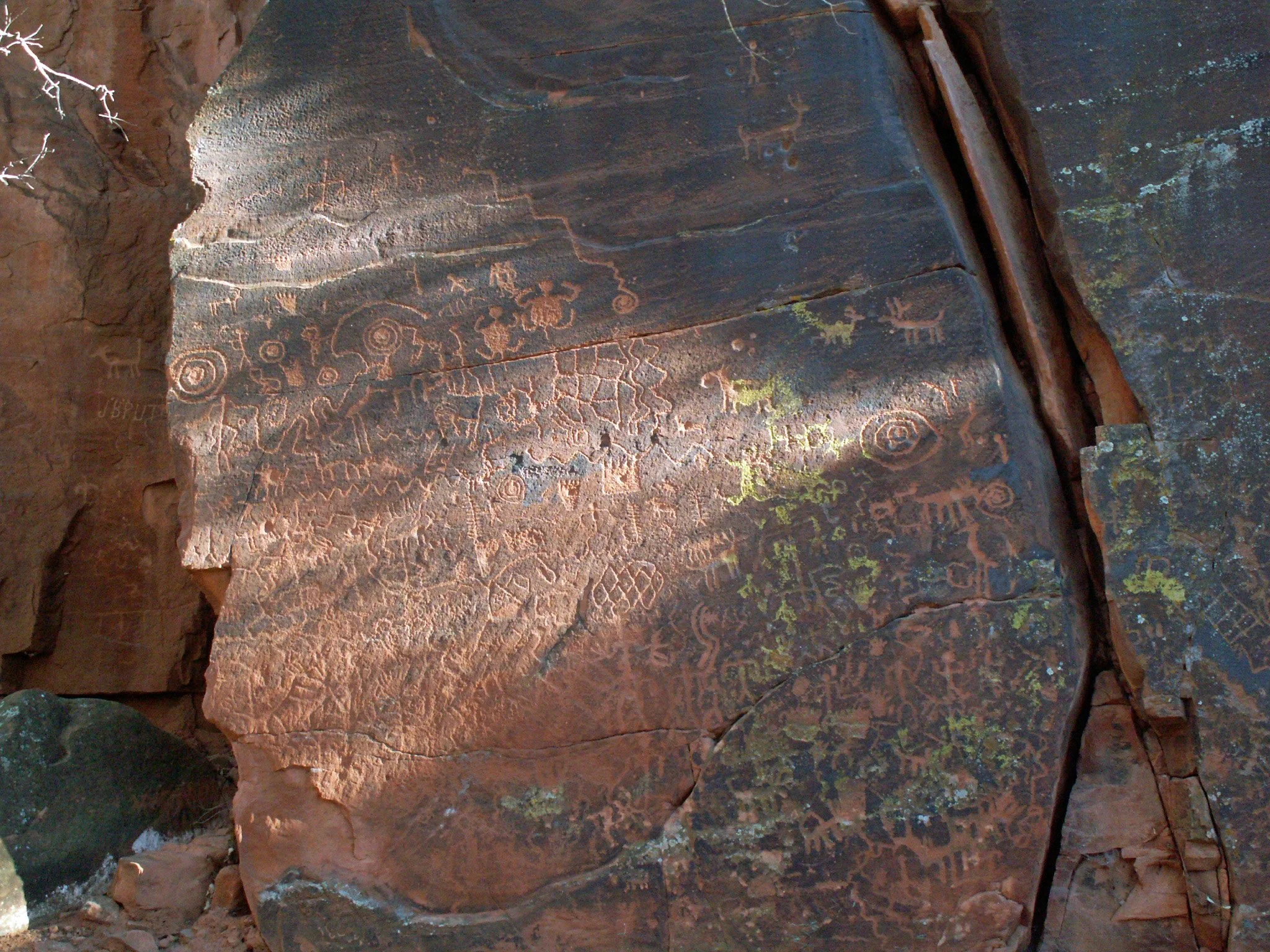
The Winter Solstice has been a mystery for many ancient cultures around the world. It is the shortest, darkest, and often the coldest, time of the year. Many of these ancient civilizations did not have written languages, and therefore it can be difficult to discern the precise meanings that various cultures associated with the solstice. Yet common themes appear. Winter Solstice was seen as a time of rebirth and renewal, marking the symbolic death and rebirth of the sun. It was a time for celebrations and rituals focused on the cycle of seasons and the promise of spring to come. To track the time of the winter solstice, many cultures used rock art or built monuments to precisely track the time of the winter solstice.
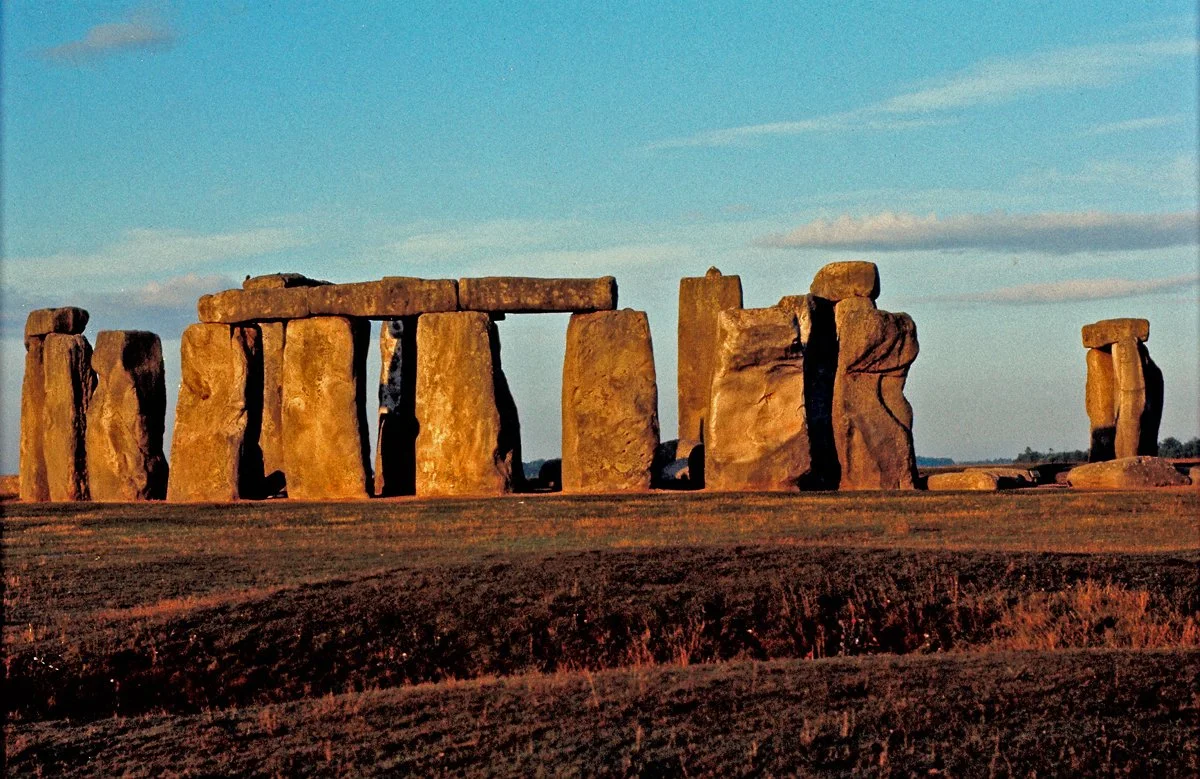
This talk will cover some of the most prominent and historically significant winter solstice markers starting with Goseck Circle in Germany, the oldest known sun observatory dating to 4900 BCE. It consisted of circular ditches and wooden palisades with gates positioned so that an observer could watch the winter solstice sun set exactly through the southwestern gate. While primarily famous for its summer solstice sunrise alignment, Stonehenge in England (3000 BCE) was also deeply tied to the winter solstice.
Some of the other sites discussed will include Newgrange in Ireland (3200 BCE), the Anum-Ra Temple in Egypt (1971 BCE), the Hopewell Mounds in Ohio (100 BCE), Chichen Itza in Mayan Mexico (600 CE), Chaco Canyon in Colorado (850 CE), Cahokia in Illinois (1050 CE), and the Crane Petroglyph site in Arizona. How these sites were built without advanced metal tools or written math will be explained.